The Appliance Nobody Upgrades: How Aging Routers Undermine Home Network Security
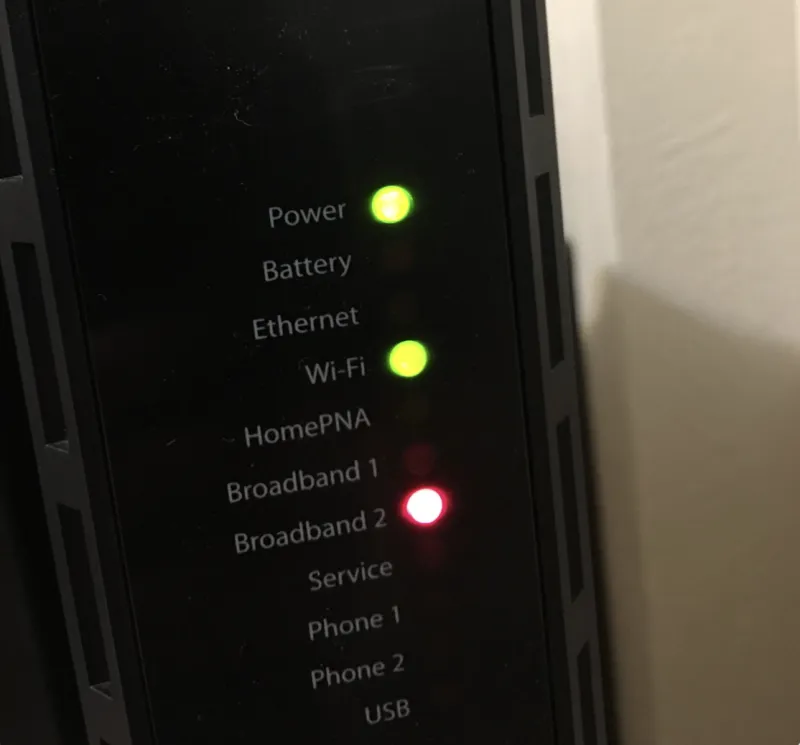
Photo: old wireless router blinking lights on living room shelf, via consumergearguide.com
The router is the one device in the American home that is expected to run forever. Phones get replaced on a two-year cycle, laptops on a four-year one, yet the plastic box blinking in the corner of the living room is often a decade old, running firmware that stopped receiving updates during a previous presidential administration.
That box is also the front door to your entire digital life. Here are seven ways an aging router undermines the security of everything behind it — and what to do about each.
1. End-of-Life Firmware
Manufacturers typically support consumer routers for three to five years. After that, discovered vulnerabilities are never patched, and they remain exploitable indefinitely. Attackers actively scan the internet for routers running known-broken firmware, and botnets like Mirai and its successors have conscripted millions of unpatched home devices.
The fix: Check your router's model page for a firmware end-of-life date. If support has ended, the device is a liability regardless of how well it still works.
2. Default Admin Credentials
A surprising number of home routers still ship with — or get reset to — the manufacturer's default username and password, printed on a sticker and published in every search engine. Anyone who gains access to the admin panel can redirect your DNS, inspect your traffic, or brick the device.
The fix: Change the administrator password immediately, and use a unique, strong credential not shared with your Wi-Fi password.
3. Exposed Remote Administration
Remote management, when enabled, lets the router's admin panel be reached from the internet rather than just from inside the home. Combined with a default or weak password, it hands attackers a direct line in.
The fix: Disable remote administration unless you have a specific, secured need for it.
4. Universal Plug and Play
UPnP exists for convenience: it lets games and media apps automatically open ports through your firewall. It also lets any compromised device on your network quietly punch holes to the outside world, exposing services you never intended to make reachable.
The fix: Turn UPnP off and manually forward only the specific ports you genuinely need.
5. Ancient Wi-Fi Encryption Standards
Routers still running WEP or WPA — protocols broken more than a decade ago — allow attackers within radio range to decrypt traffic or crack the network key with modest effort.
The fix: Set the network to WPA3, or WPA2 with a long, unique passphrase if older devices cannot support WPA3.
6. Mesh Systems That Phone Home
Modern mesh routers frequently sync settings through manufacturer cloud services, log traffic metadata, and in some cases monetize network analytics. A cloud outage can take your whole network's management offline, and a breach of the vendor's servers can expose your home configuration.
The fix: Review privacy settings in the companion app, disable analytics where possible, and weigh cloud-dependent systems against locally managed alternatives before buying.
7. The Forgotten Guest Network and Legacy Features
Older routers often run legacy services — FTP servers, print sharing, WPS push-button pairing — that expand the attack surface for no modern benefit. WPS in particular is vulnerable to brute-force attacks on its PIN mechanism.
The fix: Disable WPS and any built-in services you do not use.
A Buyer's Checklist for the Next Router
When replacement day comes, shop for security lifespan, not antenna count:
- Stated support commitment: Manufacturers like those in the Wi-Fi Alliance ecosystem increasingly publish update timelines. Favor vendors committing to five or more years of security patches.
- WPA3 support out of the box.
- Automatic firmware updates, enabled by default.
- Local management options that do not require a cloud account.
- A published vulnerability disclosure policy, which signals a vendor that takes security seriously.
The router is the least glamorous device you own and the most consequential one to neglect. Treat it like the appliance it is — with a service life, an end date, and a replacement plan.